Single speed riders rely on reliable freewheels that match their chain and hub. This guide highlights five popular freewheel options designed for 1/2 x 1/8 chains commonly used on urban, commuting, and beach bikes. Each product summary covers teeth count, weight, material, thread size, and installation notes to help you choose a durable replacement or upgrade. All choices use standard threaded freewheels compatible with most single-speed hubs. A quick, at-a-glance table of the five selected products follows to simplify your comparison. The list prioritizes durability, ease of maintenance, and broad availability across major US retailers.
A quick table to compare at-a-glance:
| Product | Teeth | Compatibility | Weight |
|---|---|---|---|
| Hycline 16T Freewheel | 16T | 1/2″ x 1/8″ | 140 g |
| Hycline 14T Freewheel | 14T | 1/2″ x 1/8″ | 167 g |
| WEEROCK 16T Freewheel | 16T | 1/2″ x 1/8″ | 170 g |
| HomeSoGood 16T Freewheel | 16T | 1/2″ x 1/8″ | Not listed |
| VG SPORTS 20T Freewheel | 20T | 1/2″ x 1/8″ | 195 g |
Hycline 16T Freewheel

The Hycline 16T Freewheel is engineered for standard single‑speed setups, delivering reliable performance with 16 teeth and a lightweight 140 g profile. It accepts 1/2″ x 1/8″ chains and features an inner diameter of 34.1 mm (±0.05 mm). The cog is crafted from high‑tensile steel, offering durability in urban and mixed-terrain riding. The threaded design uses a precise 1.375 mm pitch, compatible with common freewheel hubs. Installation is straightforward: screw the freewheel into the hub and tighten firmly. Riders should verify proper thickness alignment with their sprocket to achieve an even chainline and avoid rubbing with the chainring.
Maintenance is facilitated by the smooth internal thread and robust steel construction, which supports long service life with routine cleaning and lubrication of the threads. The 16T configuration provides a balance between cadence and acceleration, well-suited for city commuting and gentle climbs. This freewheel integrates easily with standard freewheel hubs, making it a practical upgrade for bikes that previously used a different gear setup or those seeking a dependable replacement that minimizes maintenance headaches.
Hycline 14T Freewheel

The Hycline 14T Freewheel targets riders seeking a higher cadence with a lighter gear. Weighing about 167 g, this 14T cog remains compatible with 1/2″ x 1/8″ chains and uses a 34 mm inner diameter for precise engagement. Its high‑tensile steel construction delivers durability while the internal threading maintains alignment under regular use. The thread pitch matches common BSA standard at 1.375 inches, ensuring straightforward installation on threaded hubs. With a slightly different teeth count, this option looks to balance ease of pedaling with speed on flat terrain and urban routes.
Like other standard threaded freewheels, the 14T requires careful attention to thread engagement and chainline. The included tolerances help deliver smooth rotation, consistent power transfer, and reduced friction over time. Maintenance involves keeping threads clean and lightly lubricated to preserve longevity, and periodic inspection of wear on the freewheel and chain to sustain reliable shifting behavior and braking performance on commuting bikes.
WEEROCK 16T Freewheel

WEEROCK’s 16T Freewheel is positioned for versatile, single‑speed bikes, including folding, commuter, and casual ride models. It weighs about 170 g and is designed for general use with 1/2″ x 1/8″ chains. The freewheel is crafted from high‑quality iron, combining solid structural integrity with heat resistance and a long service life. Its robust construction supports consistent performance in daily riding and variable weather. Installation mirrors other threaded freewheels: align the threads, screw in, and tighten to spec. This model emphasizes reliability, predictable engagement, and durability across a broad range of city and leisure bikes.
Riders should verify hub compatibility and ensure proper chainline, adding spacers if needed to maintain smooth pedaling efficiency. The 16T configuration generally offers a balanced cadence, offering good acceleration without sacrificing cadence on flat segments. Regular inspection for wear, occasional lubrication of the threads, and avoiding cross‑threading will help preserve the freewheel’s longevity and performance under routine commuting conditions.
HomeSoGood 16T Freewheel
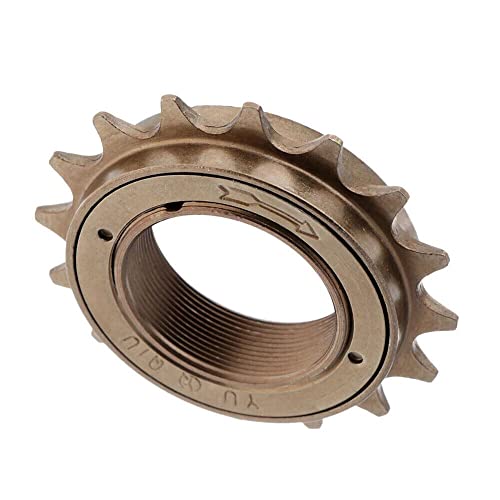
The HomeSoGood 16T Freewheel emphasizes a compact, lightweight design with a 16-tooth cog profile. The product notes indicate strong materials and a lightweight, compact form factor suitable for city bikes and lightweight hybrids. The inner diameter is specified as 34 mm, with an outer teeth diameter of 69 mm and a thickness of 14.8 mm, reflecting a standard freewheel footprint compatible with most threaded hubs. This cog uses a simple, robust construction that favors reliable riding in urban environments and light touring.
When installing, check chainline and ensure the sprocket thickness aligns with your chainring. The freewheel’s relatively slim profile reduces the chance of rubbing on tighter frame designs. Regular inspection of threads and a light lubrication routine help maintain consistent performance, especially if the bike experiences frequent stops or gravel exposure. This option is well-suited for riders seeking a straightforward, durable upgrade for everyday use.
VG SPORTS 20T Freewheel

VG SPORTS offers a 20T option designed for riders who want a higher cadence and easier pedaling on flat to moderately hilly terrain. Weighing 195 g, this 20T cog works with 1/2″ x 1/8″ chains and shares the standard inner diameter of 34.1 mm (±0.05 mm). The thread pitch remains 1.375 mm, and the cog is made from high‑tensile steel, ensuring durability and smooth operation over time. The precise, high‑quality internal thread promotes consistent rotation and straightforward maintenance, making it a practical choice for urban cyclists and daily commuters who value reliability in all weather conditions.
As with other threaded freewheels, proper installation is essential for optimal performance. Confirm thread engagement to avoid cross‑threading, and maintain a clean, lightly oiled interface to minimize friction. The 20T configuration reduces the need for frequent gear changes on level streets and can simplify maintenance for riders who prefer a steady, gradual cadence on routine rides.
Buying Guide
Key purchase considerations
- Teeth count and cadence: Choose teeth counts (14T, 16T, 18T, 20T) based on your typical riding terrain and preferred cadence. Lower teeth numbers require more pedaling effort uphill but provide quicker acceleration on flat ground; higher numbers ease cadence on flats but demand more energy on climbs.
- Chain compatibility: Ensure the freewheel matches 1/2″ x 1/8″ chains, which are common on many single-speed and track bikes. Mismatches can cause slipping, excessive wear, or poor engagement.
- Thread size and hub compatibility: Most freewheels use standard 1.375″ threading (BSA). Verify the thread pitch and inner diameter to ensure secure engagement with your hub and to avoid cross‑threading during installation.
- Material and durability: High‑tensile steel and iron constructions offer durability and resistance to heat and wear. Consider the environment you ride in (urban rain, salt, mud) as this affects long‑term performance and corrosion resistance.
- Weight and profile: Heavier freewheels add marginal rotational mass but can be more durable. Slimmer profiles help clearance on compact frames or bikes with tight chainlines.
- Installation and maintenance: Threaded freewheels are straightforward to install, but correct torque is important. Regular cleaning, thread lubrication, and inspection for wear extend life and preserve smooth rotation.
- Availability and price: While price varies, select a model with reliable supplier support and easy aftermarket access to ensure a steady supply of replacement parts.
Freewheel vs conversion alternatives
For riders with multi‑speed hubs, a conversion kit like the CyclingDeal option can convert a hub to single‑speed use by adapting spacers and sprockets. Note that such kits do not turn a hub into a fixed‑gear system; the hub remains a freewheel hub. If your goal is a simple, maintenance‑friendly single‑speed setup, a straightforward freewheel replacement is typically the easiest route with broad compatibility across frames and cranks.
Riding style and terrain guidance
- Urban commuters on flat to rolling terrain often benefit from 16T or 18T freewheels for a balanced cadence and quick acceleration.
- Riders tackling frequent hills may prefer 14T or 16T to increase available gearing range while maintaining manageable pedaling effort.
- Casual riders and beach cruisers may opt for 20T to reduce pedal effort on long, straight stretches, trading some climbing efficiency for cruising ease.
- Consider chainline and frame clearance; some frames require spacers or careful alignment to avoid rubbing.
In summary, selecting a freewheel involves balancing cadence preferences, terrain, chain compatibility, and hub standards. The five options reviewed here cover common configurations and provide reliable, durable performance for typical American urban and recreational riding. When upgrading, confirm the hub thread standard, verify the chain width, and ensure your choice aligns with your riding goals for optimal efficiency and enjoyment.