Choosing a stationary bike with adjustable resistance helps tailor workouts to any fitness level, from gentle warmups to intense intervals. This guide highlights five reliable models that balance comfort, durability, and technology. Focus areas include seat ergonomics, noise level, weight capacity, programmability, and storage needs. Whether you value foldability for small spaces or app connectivity for guided workouts, the selections below offer solid options for home use.
| Product | Brand | Resistance | Weight Capacity | Key Benefit |
|---|---|---|---|---|
| Recumbent Bike With 16-Level Resistance | XVGVSV | 16 levels | 400 lbs | Ergonomic comfort with backrest; quiet magnetic ride |
| Birdfeel Foldable Exercise Bike | Birdfeel | 8 levels | 300 lbs | Foldable, three modes, compact storage |
| SLUNSE Exercise Bike | SLUNSE | App-compatible magnetic resistance | 350 lbs | App integrations; sturdy build |
| CHAOKE Quiet Magnetic Bike | CHAOKE | Magnetic resistance, app compatible | 300 lbs | Silent operation; durable |
| YOSUDA Exercise Bike With 300 Lb Capacity | YOSUDA | Magnetic drive; belt drive smoothness | 300 lbs | Low-noise, stable ride |
The following profiles focus on bikes that offer adjustable resistance, with attention to user comfort, ride quality, and ease of use. Each model provides unique strengths, from recumbent seating for extended sessions to foldable designs that fit tight spaces. App compatibility and belt-driven drivetrains are recurring themes, supporting quieter operation and smarter workouts. Review the detailed sections to compare how each bike handles resistance, ergonomics, and daily practicality.
Recumbent Bike With 16-Level Resistance
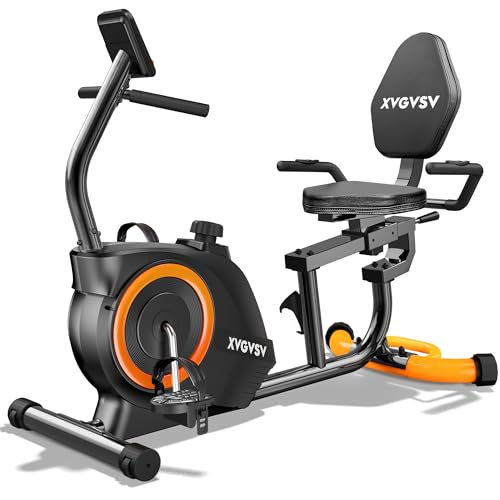
This recumbent bike emphasizes ergonomic comfort with a plush padded seat and an ergonomic backrest to support longer sessions. The adjustable seat lever accommodates users of varying heights, making it versatile for households with multiple users. The machine uses a magnetic resistance system for a whisper-quiet ride, suitable for shared spaces or early morning workouts. Its 400-pound weight capacity adds a safety margin for heavier users, while the 16-level resistance spectrum enables precise intensity control—from light rehab work to challenging intervals.
Setup is designed for convenience, with about 85% pre-assembled components and front transport wheels to simplify moving the bike around a home gym or living area. The design prioritizes stability and durability with a commercial-grade steel frame, helping it stay solid during vigorous cycling. The unit also features pulse sensors and an LCD display to monitor heart rate and training metrics, adding a straightforward way to track progress without needing external devices.
Birdfeel Foldable Exercise Bike

The Birdfeel model offers 8-level magnetic resistance and ultra-quiet operation (<15dB), making it well-suited for apartment living or shared spaces. Its dual resistance bands enable upper-body engagement while cycling, turning a standard pedal workout into a full-body training session. A standout feature is its foldable design with three modes: upright cardio, recumbent “lazy” mode, and a fully folded option for compact storage. Transport wheels help relocate the bike with minimal effort, preserving space without sacrificing accessibility.
Adjustability supports a wide range of users—from 4’4″ to 6’6″ in height—with a maximum user weight of 300 pounds. The oversized, removable foam seat provides long-lasting comfort, and the foam-covered handles help maintain a secure grip during intense sessions. A thoughtful attachment plan includes a bottle holder and easy transport, making this bike convenient for quick workouts between daily tasks.
SLUNSE Exercise Bike With App Compatibility

The SLUNSE model emphasizes connectivity and interactivity, featuring compatibility with popular fitness apps such as Zwift and Kinomap. This opens doors to virtual training plans, multi-rider challenges, and a social training experience. Built around a heavy-duty aluminum steel frame and a 35-pound flywheel, it aims for durability and stable performance, with a maximum user weight of 350 pounds. The bike employs a 2-way adjustable, non-slip handlebar and a 4-way adjustable seat to fit riders from about 4’8″ to 6’1″. A high-rebound soft seat cushion supports longer sessions, while aluminum pedals with straps help secure the feet during vigorous rides.
In addition to resistance, the magnetic braking system provides smooth, quiet operation. A digital display monitors essential metrics, and the overall design centers on a secure triangular frame to minimize wobble. The combination of app integration, solid construction, and flexible seating makes it a versatile choice for home cardio and structured training programs.
CHAOKE App-Enabled Magnetic Bike

The CHAOKE bike combines a robust magnetic resistance system with app compatibility for virtual workouts and tracking. The 2025 upgrade emphasizes a stable, triangle-based H-shaped frame for improved rigidity during intense training. The build uses durable steel, with rust protection designed to retain a like-new appearance over time. Users enjoy a quiet ride and consistent resistance, helping minimize distractions in a home environment. The design boasts durability and a sense of steady performance, making it suitable for daily cardio routines and longer endurance sessions alike.
Fitness tech integration provides motivation and structure, while the steel construction supports reliable use over time. The combination of silent operation, durability, and modern connectivity positions this bike as a solid all-around option for home gyms where space and noise are considerations.
YOSUDA Exercise Bike With 300 Lb Capacity

The YOSUDA model focuses on stability and a smooth ride, featuring a 30-pound flywheel and a belt-drive system that provides a quieter, more controlled experience compared with chain-driven bikes. It is designed to support users up to 300 pounds, with adjustable cage pedals to prevent feet from slipping during intense workouts. The combination of a sturdy steel frame and a belt-driven drivetrain helps reduce noise and vibration, making it suitable for apartment dwellers or households seeking minimal disruption while training.
Additional design details include ergonomic grips and a thoughtful layout that supports safer, more efficient workouts. The bike emphasizes reliability and long-term use, offering a solid option for daily cardio routines and consistent progress without a heavy emphasis on app ecosystems or advanced features.
Buying Guide
Key purchase considerations help you choose a bike that fits your space, goals, and daily routine. Below are essential factors and how they typically compare across models.
- Resistance range and type: Magnetic resistance generally provides quieter operation and smoother adjustments than air or belt-driven options. Look for bikes with at least 8–16 resistance levels to accommodate both beginners and advanced users.
- Seat comfort and adjustability: Ergonomic seats, back support, and multi-directional adjustability improve long-session comfort. Recumbent designs offer back support, while upright models often provide broader seat customization for a variety of heights.
- Weight capacity: Choose a machine with a weight limit that exceeds your body weight by a safe margin. Most models in this selection target 300–400 lb capacity, which covers a broad user base.
- Noise level: For apartments or shared spaces, prioritize quiet magnetic systems. Read reviews for real-world noise performance, especially during high-resistance intervals.
- Connectivity and apps: App compatibility can enhance motivation and tracking through guided workouts, virtual routes, and social challenges. Confirm compatibility with your preferred platforms (e.g., Kinomap, Zwift) if app integration matters.
- Storage and footprint: Folding designs save space, but folding typically reduces durability or adjustment precision. Consider room dimensions and whether you need transport wheels for easy relocation.
- Build quality and warranty: Look for sturdy frames (triangular or reinforced) and factory warranties that cover frame, parts, and electronics. This improves longevity and value over time.
- Display and metrics: A clear LCD or digital monitor that tracks time, distance, speed, calories, and heart rate helps you monitor progress. Some models include pulse sensors directly on the handlebars.
Across the five selections, you gain a mix of recumbent comfort, foldable convenience, app-enhanced training, and durable upright options. Your choice should reflect space constraints, noise tolerance, preferred riding position, and whether interactive workouts are important to your routine. Each model provides a balance of resistance control and core features to support consistent, goal-driven cardio sessions at home.