Starting a gravel riding journey requires a bike that blends comfort, reliability, and future-proofing. This guide focuses on beginner-friendly gravel bikes and compatible gear that balance performance with value. The five selections below range from carbon-framed road-plus machines to versatile aluminum bikes and rugged tires, designed to handle mixed surfaces without breaking the bank. Each choice offers confident stability on rough gravel, easy maintenance for new riders, and room to grow as skills improve. Use the buying guide to compare frame materials, gearing, wheels, brakes, and fit for your local routes.
| Product | Brand | Type | Notable Feature |
|---|---|---|---|
| KABON Carbon Gravel Road Bike, 56cm | KABON | Carbon Gravel Bike | 8.7 kg carbon frame, 22-speed Shimano 105, 700x40c |
| Tommaso Sentiero Gravel Bike, 53cm | Tommaso | Aluminum Gravel Bike | Aluminum frame, 24 speeds, 700x40c, disc brakes |
| KABON Carbon Gravel Road Bike, 53cm | KABON | Carbon Gravel Bike | 18-speed (2×9) setup, internal routing, 700x40c |
| Tommaso Sterrata Gravel Bike, 56cm | Tommaso | Aluminum Gravel Bike | Aluminum frame, carbon fork, 24 speeds, 700x40c |
| WTB Raddler Gravel Tire 700×44 | WTB | Tire | Semi-slick center, aggressive outer knobs, tubeless-ready |
KABON Carbon Gravel Road Bike, 56cm

This 56 cm carbon gravel bike blends stiffness with rider comfort, offering a streamlined platform for mixed terrain. The lightweight 8.7 kg frame and carbon components contribute to efficient climbing and steady handling on longer gravel sections. A wide 700x40c tire contact patch enhances stability on uneven surfaces, while the disc brakes provide predictable stopping power in damp or dusty conditions. The internal cable routing keeps lines tidy and reduces exposure to the elements, supporting durability over time.
- Durable 8.7 kg carbon frame with carbon fork
- Wide 700x40c tires for mixed terrain
- Internal cable routing for cleaner runs
- 22-speed Shimano 105 drivetrain
- Disc brakes for all-weather stopping power
Tommaso Sentiero Gravel Bike, 53cm
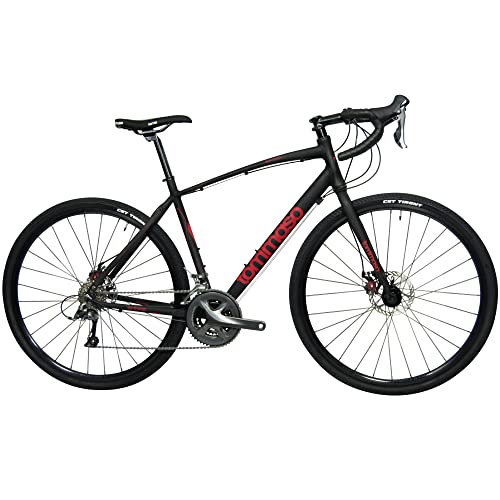
The Sentiero is designed for riders who want accessible performance without breaking the bank. Its aluminum frame and 700x40c tires deliver confident handling on both gravel and pavement. The 24-speed Shimano Claris groupset provides a wide gearing range with straightforward maintenance, while disc brakes give dependable stopping power across varied conditions. Tommaso emphasizes practical geometry, supportive customer service, and a warranty that helps riders grow into their bikes as skills advance.
- Aluminum frame with 24-speed drivetrain
- 700x40c tires for stability
- Disc brakes for reliable stopping
- 53 cm sizing suitable for mid-length riders
- Warranty and customer support
KABON Carbon Gravel Road Bike, 53cm
This 53 cm carbon gravel bike offers a refined balance of lightness and performance in a mid-size frame. The 18-speed setup (2×9) provides versatile gearing for climbs and flats, while 700x40c tires support comfort and traction on rough roads. The inner cable routing reduces wear and weather exposure, and disc brakes ensure consistent performance in damp conditions. It’s a strong option for riders transitioning from road bikes to dedicated gravel adventures.
- 8.7 kg carbon frame with internal routing
- 18-speed SHIMANO Sora 2×9 drivetrain
- 700x40c tires for mixed terrain
- Disc brakes for reliable braking
- Lightweight, aerodynamic design
Tommaso Sterrata Gravel Bike, 56cm
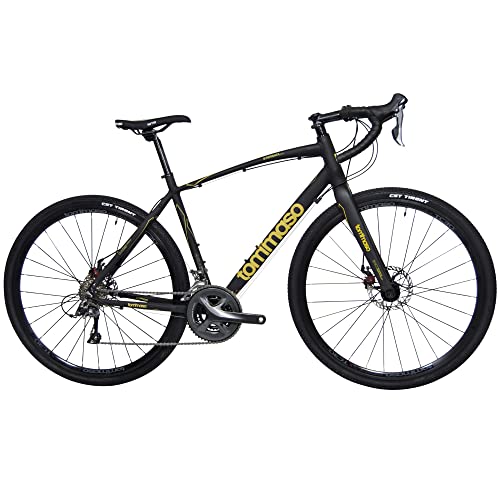
The Sterrata models a practical, value-focused gravel option with an aluminum frame and carbon fork for a smooth ride. Equipped with 700x40c tires and reliable stopping power from Avid BB5 disc brakes, it aims to handle mixed terrain with confidence. The TC-30D rims and a 28-spoke configuration contribute to durability on rough roads and light trails, while the setup remains approachable for riders upgrading from entry-level bikes.
- Aluminum frame with carbon fork
- 700x40c tires for versatility
- 24-speed Shimano Claris for a broad range
- Avid BB5 disc brakes for dependable stopping
- TC-30D rims, 28 spokes for durability
WTB Raddler Gravel Tire 700×44

The WTB Raddler is built for riders who want speed and confidence on varied terrain. Its semi-slick center tread minimizes rolling resistance on smooth surfaces, while aggressive outer knobs deliver grip on loose gravel and through corners. At 700×44, the tire provides generous volume for comfort and stability, and its tubeless-ready design helps reduce flats. This tire pairs well with beginner gravel bikes that need a reliable upgrade for challenging routes.
- 700×44 size for added volume
- Semi-slick center with aggressive side knobs
- Tubeless-ready folding design
- Lightweight, high-volume casing
- Improved traction on loose gravel and corners
Buying Guide
Key considerations help tailor a beginner-friendly gravel setup to your needs. Start with frame material: carbon offers lightness and efficiency, but aluminum provides durability at a lower price. For most new riders, a sturdy aluminum frame with wide tires and reliable disc brakes is a practical starting point, with a carbon option reserved for riders seeking lighter weight or long-distance comfort on smoother gravel.
Wheel size and tire width significantly influence ride feel. Most gravel bikes use 700c wheels with tire widths in the 38–44 mm range. Wider tires improve stability on loose surfaces but add rolling resistance; narrower tires roll faster on pavement but feel busier on rough gravel. Tubeless tires reduce flats and allow lower pressures for better traction—all valuable for beginners learning grip and cornering.
Drivetrain choices affect maintenance and gearing flexibility. Common beginner-friendly configurations include 2×9 or 2×10 drivetrains with 18–24 total speeds. A broad gear range helps with varied terrain, while single-chainring setups (1x) offer simplicity at the cost of slightly limited gearing on steep, remote routes. Brakes should be disc-based for predictable performance in wet conditions and varied terrain.
Fit and geometry matter as much as components. Correct stack and reach determine comfort during longer rides and reduce fatigue. Test rides or precise measurements can prevent numb hands or knee strain. If you’re between sizes, prioritize reach and cockpit length over seat tube length for a comfortable, confident riding position.
Budget and upgrade path are practical considerations for beginners. Start with a solid, mid-range bike with reliable brakes and a compatible wheelset. You can upgrade tires, wheels, or a groupset later as your skills grow. Warranty, dealer support, and service options also influence long-term satisfaction—consider a model from a brand with solid local support and clear return policies.
Riding style and terrain should guide your choice. If your routes are primarily gravel roads with occasional pavement, a bike with comfortable geometry and wide tires is ideal. If you anticipate rougher dirt trails or frequent mud, prioritize robust components and wide tire clearance. Many beginners benefit from bikes that balance ease of use with upgrade potential, ensuring you can grow into the bike without buying a new frame soon.
Quick reference comparisons:
- Carbon bikes (like KABON 56cm/53cm) offer light weight and stiffness, ideal for longer rides and efficiency, but come at higher cost.
- Aluminum bikes (like Tommaso Sentiero and Sterrata) provide excellent value, solid durability, and easy maintenance for beginners.
- Disc brakes are strongly recommended for beginners to ensure reliable stopping in all conditions.
- 700x40c tires are a versatile starting point, offering stability without sacrificing too much speed on pavement.
Overall, the ideal beginner gravel bike blends fit, manageable weight, robust braking, and a drivetrain that matches your local terrain. The options listed above provide a spectrum—from affordable aluminum builds to premium carbon frames—so new riders can select a model that supports progressive skill development without compromising safety or comfort.