Full-face bike helmets deliver enhanced protection for riders tackling aggressive terrain, downhill courses, and park runs. When choosing a helmet, riders weigh protection, weight, ventilation, and fit. The five helmets featured here balance safety and comfort across riding styles—from downhill to BMX and enduro racing. Each product offers unique strengths, including MIPS safety, lightweight construction, and robust ventilation. Use the quick comparison below to identify models that suit your head size, climate, and riding goals.
| Product | Brand | Notable Feature | Weight | Head Size Range |
|---|---|---|---|---|
| OutdoorMaster Grizzly Meteorite Black | OutdoorMaster | 27 vents; EPP collarbone protection; two chin pads | Just under 750 g | 57–62 cm |
| Fly Racing Rayce Matte Grey | Fly Racing | Polycarbonate shell; TFV ventilation; removable liner | — | Large |
| Demon Podium X MIPS Full Face | DEMON UNITED | MIPS; 20+ vents; 710 g; downhill rated | 710 g | 55–58 cm |
| POC Otocon Fullface | POC | Downhill/enduro ready; PC/EPP/EPS construction; removable pads | — | — |
| OutdoorMaster Grizzly Azure Blue | OutdoorMaster | 27 vents; EPP collarbone protection; 57–62 cm | Just under 750 g | 57–62 cm |
OutdoorMaster Grizzly Full-Face Helmet

The Grizzly Meteorite Black helmet from OutdoorMaster is designed for downhill and mountain biking with safety as a priority. It uses an EPP collarbone impact system and chinbar shock pads to boost protection, while the fit system accommodates head circumferences from 57 to 62 cm. The helmet includes two removable chin pads for personalized comfort and a secure, adjustable fit. Its 27-vent airflow is achieved through injection-molded high-flow channels, keeping riders cooler on hot climbs and during fast descents, with a weight just under 750 g. This makes it suitable for aggressive riding where breathability matters as much as protection.
Designed to perform across varied conditions, the Grizzly provides a stable fit and balanced weight distribution to reduce neck fatigue on long rides. It suits downhill, BMX, and all-mountain riding where protection and ventilation are essential. The combination of lightweight construction and robust ventilation makes it a versatile choice for riders who demand reliable protection without overheating.
Fly Racing Rayce Full-Face Helmet
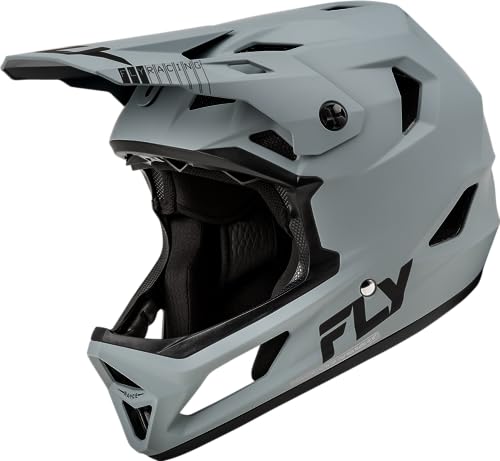
The Fly Racing Rayce helmet combines a durable polycarbonate-alloy shell with a multi-density EPS foam liner, offering a progressive response to impact energy across speeds and terrains. TFV True Functional Ventilation ensures effective airflow, while the removable and washable liner and cheek pads simplify care and maintenance. A padded chin strap with a D-ring closure provides a secure, comfortable fit for intense rides. This helmet is well-suited for riders who want solid protection with practical, easy-to-care-for components for MTB and BMX sessions.
Rayce emphasizes comfort through a thoughtfully designed interior and ventilation, helping riders stay cooler during longer climbs and hotter days. Its streamlined profile and reliable retention system make it a strong option for riders seeking a balanced full-face helmet that performs well in diverse riding environments.
Demon Podium X MIPS Full-Face Helmet

The Podium X MIPS from Demon United integrates MIPS safety with 20+ vents to regulate airflow during intense rides. Weighing approximately 710 grams, the helmet blends sturdy construction with lightness, reducing neck fatigue while maintaining durability. It is downhill-rated and certified across multiple standards. The helmet includes removable fit pads, enabling a personalized fit, and a comfortable interior that can be adjusted as riding conditions change. This combination makes Podium X a strong choice for riders prioritizing both protection and ventilation on demanding trails.
Riders benefit from the modular fit options and robust cooling for hot days on endurance climbs or long descents. The MIPS system helps reduce rotational forces during oblique impacts, adding a layer of protection for diverse crash scenarios. The Podium X is designed to keep you secure without compromising visibility or comfort during high-speed runs.
POC Otocon Full-Face Helmet

The POC Otocon Full-Face Helmet is tailored for downhill and enduro racing, delivering robust performance with a PC outer shell for durability and EPP in the lower portion, plus an EPS upper to keep weight manageable. The lower liner includes an injection-molded cage for extra strength and stability, while removable cheek pads and a grill over the mouth improve ventilation. The design emphasizes comfort for all-day rides and reliability at high speeds, offering a balance between protection, airflow, and long-wearing comfort in demanding conditions.
Otocon focuses on versatility for aggressive riding styles, with features that adapt to extended sessions in rugged environments. The combination of strong construction, adjustable interior elements, and ventilated design supports riders who push endurance limits while maintaining comfort and breathability during climbs and descents alike.
OutdoorMaster Grizzly Azure Blue Helmet

The Azure Blue variant mirrors the Meteorite Black Grizzly in protection and fit, sharing a 57–62 cm range and a weight just under 750 g. It features the same EPP collarbone protection, chinbar shock pads, and 27-vent high-flow channels for cooling during climbs and descents. The Azure Blue color provides a brighter option for visibility and style without compromising performance. Like its sibling, this helmet aims to deliver reliable protection alongside comfortable, breathable wear for aggressive riding styles.
For riders who value color variety and visibility on the trail, the Azure Blue Grizzly offers a compelling option with identical protective features and ventilation. It is well-suited for downhill, BMX, and all-mountain riding, providing a dependable balance of safety, fit, and comfort across diverse terrain and weather conditions.
Buying Guide
When selecting a full-face helmet, consider fit and sizing, protection technology, ventilation, weight, and intended use. Different technologies offer trade-offs: MIPS can reduce rotational injury risk, while energy-absorbing foams like EPS and EPP influence impact performance and durability. Heavier helmets may feel sturdier but can cause neck fatigue on long rides. A well-fitting helmet that stays secure at high speeds is essential for safety. Always verify regional certifications and ensure the helmet is appropriate for your riding style, from downhill to BMX to all-mountain.
Fit And Sizing
Look for a helmet with an adjustable fit system, removable pads, and a secure chin strap. Head circumference ranges are commonly listed (for example, 57–62 cm). If you wear glasses or goggles, choose a model with a compatible goggle-channel design to avoid pressure points and ensure comfort during long sessions.
Protection Technology
MIPS reduces rotational forces in oblique impacts by allowing a low-friction layer to move. EPS is a common energy-absorbing foam, while EPP provides increased durability and higher-energy protection in some helmets. Some full-face designs add reinforced chin bars or stronger shells for downhill use. Removable pads extend helmet life by enabling easy cleaning and replacement after heavy sweating or crashes.
Ventilation And Comfort
Ventilation influences comfort on hot days or during long climbs. Look for multiple well-placed vents and internal channels that promote airflow. Removable, moisture-wicking liners help manage sweat and allow for easier washing. A secure, foam-supported fit improves stability while maintaining comfort at varying speeds and terrain.
Weight And Durability
Weight affects neck fatigue and maneuverability. Lighter helmets are easier to wear during long rides, but you should assess whether a lighter model sacrifices protection. A durable shell and strong interior foam provide resilience against repeated impacts, while certifications indicate adherence to testing standards relevant to your region and riding style.
Intended Use And Certification
Match helmet type to riding style: downhill helmets prioritize protection and venting, while BMX models emphasize coverage and comfort at high speeds. Ensure the helmet meets local safety standards (for example, CPSC or EN 1078 in many markets) and is appropriate for enduro, downhill, or park riding. If you frequently ride in mixed environments, seek a versatile helmet with solid ventilation and reliable impact protection across crash scenarios.