Choosing the right front wheel stand can improve stability during indoor cycling workouts. A solid front wheel riser helps align the front wheel with your trainer, protects floors from scuffs, and works with road, mountain, and hybrid bikes. This guide highlights five top options that balance stability, ease of use, and trainer compatibility. Each option offers distinct height settings, grip features, and wheel-size ranges to suit your setup, from basic trainers to popular systems like Zwift, Wahoo, and TacX. Use the quick table below to compare essentials at a glance.
| Product | Brand | Key Feature |
|---|---|---|
| KOM Cycling Front Wheel Riser Block | KOM Cycling | 3 heights; supports 700x23c to 29.3; webbed bottom grips |
| Saris Front Wheel Riser Block | Saris | Three levels; stackable; reliable front-wheel stability |
| CyclingDeal Front Wheel Riser Block | CyclingDeal | 3 heights; fits 26″, 27.5″, 29″, 700c; anti-slip |
| Thinvik Front Wheel Riser Block | Thinvik | 1.4″ lift; tires up to 1.8″; skid-resistant; not for fat bikes |
| GEEDIAR Front Wheel Riser Block | GEEDIAR | Simple molded plastic stand; front wheel stays in place; stable |
KOM Cycling Front Wheel Riser Block
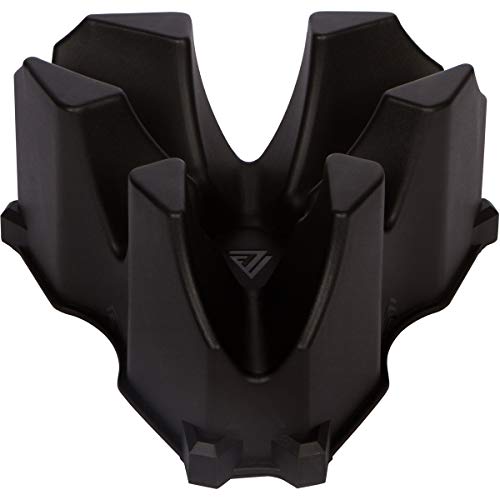
The KOM Cycling front wheel trainer block is engineered with three height settings to fit a wide range of indoor trainers and wheel sizes. Its tapering valley provides maximum stability for wheels from 700x23c to 29.3 inches, while three webbed grips on the bottom secure the block’s position on the floor. This combination helps keep the front wheel aligned and reduces movement during high-watt sessions, contributing to a consistent, level riding position.
Saris Front Wheel Riser Block

The Saris front wheel riser is designed for versatility and safety with three stackable heights. It provides reliable stability so the front wheel stays exactly where you place it, enabling consistent training sessions on various indoor trainers. The stackable design allows you to fine-tune wheel height without sacrificing stability, making it a practical option for users who change trainers or bikes often.
CyclingDeal Front Wheel Riser Block
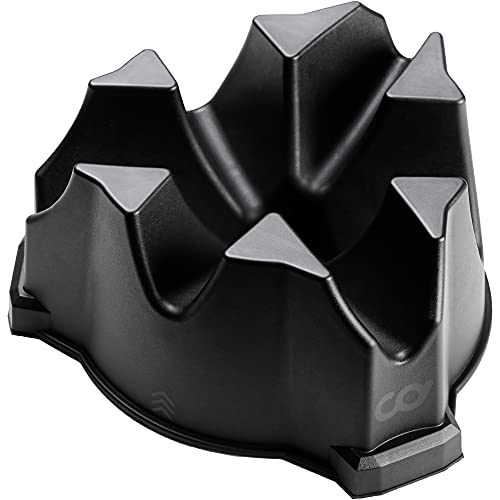
CyclingDeal offers a three-height front wheel riser block designed for compatibility with a broad range of wheel sizes, including 26″, 27.5″, 29″, and 700c. The anti-slip rubber feet prevent movement during sprints and climbs, while the overall stability helps maintain a level riding position on most indoor bike trainers. It’s a solid all-round choice for mixed bike fleets and trainer setups.
Thinvik Front Wheel Riser Block

Thinvik’s front wheel riser block raises the front wheel by 1.4 inches and supports tires up to 1.8 inches wide. It features a skid-resistant base to protect floors and keeps the bike steady during intense sessions. Note that it is not compatible with fat bikes, making it a focused option for standard road, mountain, and hybrid bikes.
GEEDIAR Front Wheel Riser Block
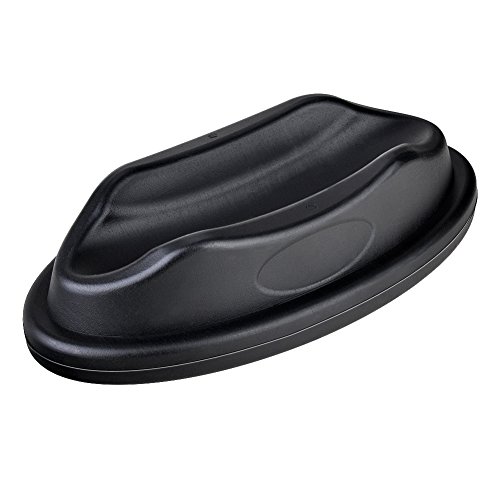
GEEDIAR offers a simple molded plastic stand designed to hold the front tire in place during workouts. It raises the front wheel just enough to minimize sliding and maximize stability on indoor trainers. This straightforward design emphasizes reliability and ease of use for riders who want a lightweight, no-frills option.
Buying Guide
When choosing a front wheel riser, evaluate how it will fit into your current trainer setup and bike collection. Key considerations include tire width compatibility, height range, and overall stability. If you use multiple bikes or switch trainers often, a block with adjustable heights and a stable base will save time and improve ride quality. Anti-slip feet are essential on slick floors, and a durable material helps ensure long-term reliability. For those with fat tires, confirm the block’s maximum width before purchase, as some models exclude wider rims.
- Tyre width compatibility: Confirm the maximum tire width (for example, up to 1.8″ or 2.4″) to ensure your bike fits without issues.
- Height adjustment: More height options enable better alignment with trainers like Zwift Hub, Kickr, and Neo, and with different bike geometries.
- Stability and anti-slip design: A solid base and rubber feet reduce side-to-side movement and protect floors and rims during hard efforts.
- Trainer compatibility: Some risers pair best with specific brands or trainer types; check if the block supports your trainer’s height and wheel alignment needs.
- Durability and materials: Plastic constructions are lightweight and affordable, while reinforced designs offer greater longevity under frequent use.
- Portability and storage: Stackable or light designs make it easier to store when not in use.
- Rim and tire protection: Look for smooth edges and a non-scratching surface to avoid damage to rims and tires over time.
- Budget considerations: Prices vary; balance cost with build quality, height options, and compatibility to maximize value.
Overall, the best front wheel stand for you depends on your bike lineup, the trainers you use, and how much you value adjustability versus simplicity. Riders who train with a mix of road and mountain bikes may prefer a model with three heights and broad wheel-size support, while casual indoor cyclists may opt for a straightforward, single-height option with strong anti-slip features. Consider trying a model that offers both stability and easy storage to support consistent, safe indoor workouts.