Choosing the right bike for a 7-year-old involves balancing wheel size, safety features, and ease of use. The options below cover beginner-friendly models and bikes that can grow with a child’s confidence and riding ability. Each pick emphasizes stability, control, and durability to support hours of outdoor fun while helping kids develop balance and pedaling skills. The selections span 16-inch to 20-inch wheels, with and without training wheels and varying braking styles to suit different riding environments and skill levels.
| Product | Brand | Wheel Size | Notable Feature |
|---|---|---|---|
| Schwinn Elm Bike, 20 Inch | Schwinn | 20 Inch | SmartStart technology for easy starts |
| Cubsala Freestyle BMX Bike, 18 Inch | cubsala | 18 Inch | Hi-Ten steel frame, beginner-friendly BMX design |
| WEIZE Kids Bike, 16 Inch | WEIZE | 16 Inch | Full-coverage chain guard, safe handbrake |
| JOYSTAR 16 Inch Kids Bike With Training Wheels | JOYSTAR | 16 Inch | Training wheels, coaster and hand brakes |
| bicystar 16 Inch Kids Balance Bike | bicystar | 16 Inch | Pedal-free balance bike with adjustable height |
Schwinn Elm 20-Inch Kids Bike
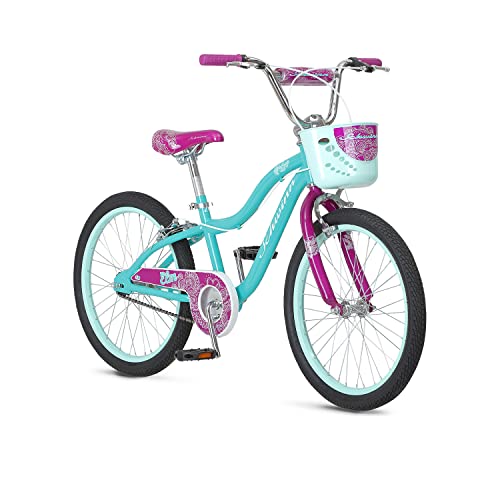
The Schwinn Elm is designed with smart features that support early riding success. Its 20-inch wheels fit children roughly 48 to 56 inches tall, making it a natural progression from smaller bikes for many seven-year-olds. Schwinn’s SmartStart technology helps improve balance and stability by placing pedals in a forward position, aiding quick starts and smoother progress as new riders build confidence. The low standover and lightweight frame reduce the effort required to mount and dismount, which is important for kids learning to ride. Braking is straightforward, with the combination of coaster and hand brakes to ease transitions to bigger kid bikes.
Gearing and setup emphasize beginner-friendly operation. The forward-positioned pedals help with a stable pedal stroke, while the simpler gearing reduces pedaling effort on flat surfaces. A smaller, age-appropriate grip and ergonomically sized components support comfortable control in streets, parks, and bike paths. The Elm’s frame is optimized for growth and daily use, allowing a child to enjoy longer rides with less fatigue. Regular maintenance, such as brake adjustment and wheel alignment, ensures consistent performance as riding skills advance.
Cubsala Freestyle BMX Bike, 18 Inch

The Cubsala Freestyle BMX Bike is a solid choice for an active 7-year-old who enjoys a versatile riding style. The 18-inch wheel size is well-suited for riders in the 3’5″ to 4’3″ height range, providing a comfortable reach and stable stance. The frame uses Hi-Ten steel, delivering durability for street, park, or trail use. Its 17.3″ top tube contributes to a balanced ride and predictable handling, which helps beginners gain confidence quickly. The drivetrain uses a 152 mm one-piece crank with a 32T chainring, paired with aluminum U-brake and hand-brake levers to enable precise speed control as skills develop.
This model is designed with a beginner’s rider in mind, offering a robust platform to practice core skills without sacrificing safety. The combination of a reliable frame, protective braking options, and a geometry suited to younger riders makes it a practical stepping stone toward more advanced BMX or mountain-bike experiences. Regular checks of brake function, chain tension, and wheel alignment will help maintain performance as a child’s riding style evolves.
WEIZE Kids Bike, 16 Inch

The WEIZE 16-inch bike is engineered with beginners in mind. It’s sized for children around 38 to 48 inches tall, making it a suitable option for many seven-year-olds. The bike emphasizes safety and control, featuring a protected full-coverage chain guard to prevent clothing and fingers from getting caught. A straightforward hand brake is designed for small hands, helping young riders develop braking proficiency without excessive force. The frame is designed for a lighter ride, which reduces fatigue during longer outings on sidewalks and bike paths.
Parents often appreciate the size guidance that WEIZE provides—riders can learn basic balance and steering with a bike that’s easy to handle. The smaller footprint helps with maneuverability in tight spaces, and the lower center of gravity increases stability during starts and stops. Regular maintenance, including brake adjustment and chain lubrication, will keep the bike operating smoothly as a child’s confidence grows and riding sessions extend further from home.
JOYSTAR 16 Inch Kids Bike With Training Wheels
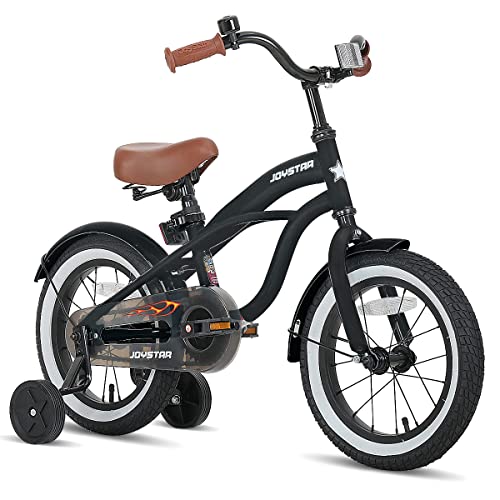
JOYSTAR’s 16-inch kids bike with training wheels is designed to help young riders transition from a balance-focused stage to pedaling and steering with confidence. The bike features a lightweight steel frame and rims for easier handling, plus the backpedal rear brake for intuitive stopping. Its beach-cruiser-inspired design includes adjustable saddle and stem height to accommodate growth. The enclosure of the chain guard reduces the risk of clothing getting caught, and the removable training wheel option provides a stable safety net as balance skills are refined. This setup supports early riders who prioritize controlled, steady progress.
In terms of safety, the coaster brake offers steady deceleration, while the hand brake on certain models supports a gradual shift toward independent braking. The combination of training wheels, a sturdy frame, and low gearing makes the JOYSTAR a practical first big-kid bike for kids who want to explore sidewalks and paths with steady, predictable handling as their coordination improves.
bicystar 16 Inch Kids Balance Bike

The bicystar 16-inch balance bike focuses on the core skill of balance without pedals. This makes it an attractive option for kids who are transitioning from a push bike or for those who prefer learning balance before introducing pedaling. The bike is designed for ages roughly 5 to 9, with adjustable seat height and handlebar height to accommodate growing children. The absence of pedals helps kids focus on balance, steering, and confidence-building before adding propulsion through pedaling. Its lightweight construction aids in maneuverability and control during early riding sessions.
Although this bike requires a pedal transition later, the balance-first approach can reduce frustration and boost progression speed for some riders. The frame materials and overall weight are chosen to support easy handling, and the bike’s design emphasizes safety through appropriate geometry and grip. Parents should plan for eventual pedal installation and familiarity with shifting weight and body position as riding skills advance.
Buying Guide
Wheel Size And Fit
Wheel size directly impacts stability and comfort. 16-inch bikes suit many children around 4-7 years old, while 18-20 inch wheels typically fit taller children and those building confidence for more advanced riding. When choosing, consider the child’s inseam and overall height. A bike with a lower standover height makes mounting and dismounting easier and reduces the risk of clips or clothing getting caught during abrupt stops or starts.
Brakes And Stopping Power
Braking options vary from coaster brakes (pedal backward to stop) to hand brakes and combinations of both. For younger riders, a safe, predictable braking system is essential. Hand brakes offer control but require finger strength, which can be a learning curve. A bike with a protective chain guard and stable braking setup helps a rider learn to stop smoothly and confidently on sidewalks and bike trails.
Durability And Weight
Durability matters for kids who are learning. Look for frames made from sturdy materials like Hi-Ten steel or reinforced alloys, along with wheels and components designed to withstand curb hops and uneven surfaces. A lighter bike is easier for kids to maneuver, especially on grades or when changing directions quickly. However, enough weight is beneficial to keep the bike from tipping during awkward stops or sudden maneuvers.
Safety Features
Safety features include chain guards, reflectors, bell, and protective pads, as well as reliable braking and well-finished grips. Enclosed chain guards prevent clothing from tangling, and comfortable, textured grips reduce hand fatigue. For younger riders, training wheels (or a removable training wheel option) can provide a gentle transition to independent riding, while adjustable saddles and stems ensure a proper fit as kids grow.
Grow-With-Your-Kid Considerations
Choosing a bike that can grow with a child saves money and reduces the need for immediate replacements. Some bikes offer adjustable saddle and handlebar heights, or configurations that adapt from training-wheels to pedals. If a rider plans to continue riding into later childhood, selecting a model with a slightly bigger wheel option or a frame designed for longer lifespan can be a practical long-term choice.
Maintenance And Availability
Regular maintenance helps extend a bike’s life. Inspect tires for wear, check brakes for responsiveness, ensure chains are lubricated, and keep bolts tightened. Availability of spare parts and compatibility with common components (like brake levers and chains) is worth checking, especially for models that are popular among kids learning to ride. A bike that’s easy to service will encourage consistent practice and safer riding experiences.