When you’re hitting the road in an RV, carrying four bikes safely can be a challenge. The right rack system matches your RV type, hitch size, and how you want bikes secured on long trips or quick weekend getaways. Options range from bumper-mounted racks to sturdy hitch-mounted platforms, with features like anti-sway cradles, integrated locks, and tilt or foldable designs for easy rear access. This guide highlights five reliable racks that suit various RV setups, then offers practical buying tips to help you compare performance, weight, and installation requirements before you buy.
| Product | Type & Compatibility | Key Capacity |
|---|---|---|
| Swagman RV Approved 4-Bike Bumper Rack | Bumper-mounted for 4″–4.5″ square RV bumpers | Up to 4 bikes; up to 30 lb per bike |
| Thule Range Hanging RV Bike Rack | Hanging hitch rack; RV/travel trailer use; anti-sway cradles | Up to 4 bikes |
| Soarify 4BIKES Hitch Rack for RV | 2″ hitch; foldable; tilt release | 1–4 bikes; up to 143 lbs total |
| MaxxHaul 70210 Hitch Mount 4-Bike Rack | Hitch mount; swing-down; universal receiver | Up to 4 bikes; 150 lbs total |
| Hollywood Racks Destination 4 Hitch Bike Rack | Platform hitch carrier; lightweight | Up to 4 bikes; ~35 lb per bike |
Swagman RV Approved 4-Bike Bumper Rack
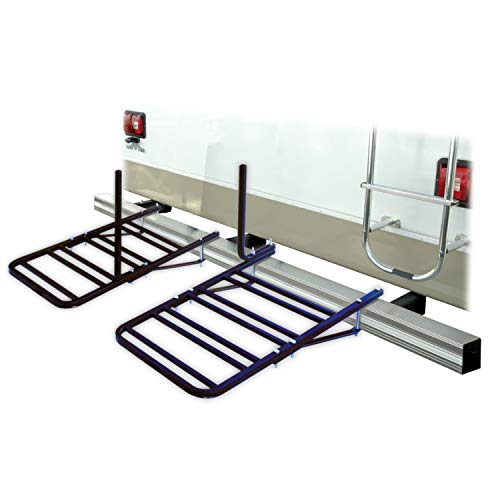
The Swagman bumper rack is designed specifically for RV bumpers, accommodating 4″ to 4.5″ square bumpers. It transports up to four bicycles with a per-bike limit of 30 pounds, making it suitable for standard‑size road and mountain bikes. The unit uses heavy‑duty steel, finished in black powder coating to resist corrosion and wear. Installation requires bolts around the bumper, with 6.5″ and 8″ long bolts used to secure the rack in place. Its bumper‑centric design keeps weight close to the vehicle for a balanced profile during travel.
Security considerations with this rack center on mounting integrity and visibility. While the product description emphasizes robust construction and corrosion resistance, users should routinely inspect bolts and the bumper interface, especially after long trips or rough roads. This style is best when trunk clearance is limited or hitch options are unavailable, but it is less flexible for removing bikes quickly in tight spaces. If you frequently park in areas with tight access, consider a secondary folding option for trunk access.
Thule Range Hanging RV Bike Rack

The Thule Range is a hanging hitch rack designed specifically for RV travel, capable of carrying up to four bikes. It emphasizes superior stability with anti-sway cradles, which help reduce bike movement during transit. The system uses ratcheting straps for quick, secure loading, and integrated locks may be included for added security. Its design prioritizes ease of use on the road, with intuitive attachment to a standard hitch and efficient bike loading from the rear of the RV. This rack is well-suited for RV owners who want a lightweight, stable solution with straightforward operation.
When considering the Range, assess your bike sizes and frame geometries to ensure the anti-sway cradles accommodate non-traditional bikes such as fat-tire or oversized frames. Also verify that your RV’s hitch and rear clearance allow full access for loading and unloading. If you rely on frequent, short trips, the speed of setup and takedown is a notable advantage. For longer trips with varied weather, look for protective coatings and locking options to deter theft and corrosion.
Soarify 4BIKES Hitch Rack for RV

The Soarify 4BIKES rack is a robust, versatile option for RV use, featuring a high maximum load capacity of up to 143 pounds total. It supports 1–4 bikes with individual bike limits up to 35 pounds, accommodating a mix of road, mountain, or lightweight e-bikes. Built from heavy-duty steel, this rack emphasizes durability in rugged environments and adverse weather. A foldable design aids storage when not in use, and a tilt-release mechanism allows trunk access without detaching the rack. The unit is designed for a 2″ hitch and provides practical flexibility for RV owners who need frequent vehicle access.
Practical considerations include ensuring your bikes fit securely within the rails and that the rack’s footprint remains compatible with your RV’s rear clearance. The fold-and-tilt feature helps in tight parking scenarios, but you should test fitment with your tallest bike and widest handlebars to avoid interference with lights, license plates, or taillights. For those who value space-saving and ease of storage, this rack offers a compelling balance of capacity and convenience.
MaxxHaul 70210 Hitch Mount 4-Bike Rack
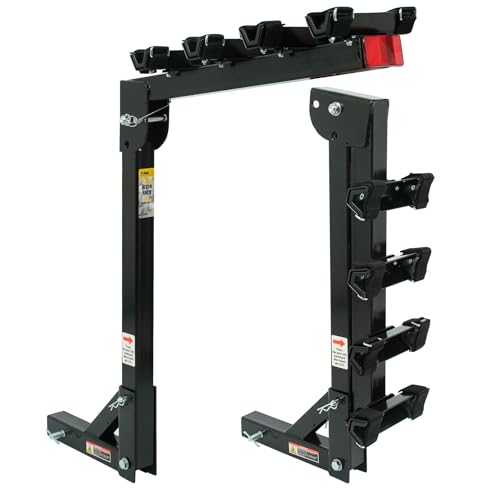
The MaxxHaul 70210 is a hitch-mounted four-bike rack designed for cars, trucks, SUVs, and minivans with receiver hitches. It supports up to four bikes with a combined capacity of 150 pounds. The rack includes a hitch pin and features a convenient swing-down design for rear‑of‑vehicle access, making it easy to load, unload, and attach. The arms have adjustable hold-down straps to securely fasten bikes, reducing sway during transit. This model emphasizes straightforward installation and reliable daily use for families or groups traveling with multiple bikes.
In evaluating this option, consider the size and weight of your bikes, as the swing-down action requires adequate room behind the vehicle. Confirm your hitch class, as some installations may require adapters or additional hardware. The included reflectors and a sturdy finish add safety and visibility on the road, which is particularly valuable for RV drivers who travel in varied lighting conditions. Regular maintenance of the moving joints and straps helps preserve long-term reliability.
Hollywood Racks Destination 4 Hitch Bike Rack

The Hollywood Racks Destination 4 is a lightweight platform-style hitch rack designed to carry up to four bikes. It is a practical option for RV owners who want a stable, low-profile carrier with straightforward installation. The rack supports a maximum load per bike of about 35 pounds and includes a locking threaded hitch pin for added security. Its platform design offers versatile compatibility with a wide range of bike frames and sizes, including traditional road bikes and some mountain bikes. The lightweight construction makes handling easier during installation and removal.
For RV travel, the platform style minimizes bike-to-bike contact and can better distribute weight across the rack. When choosing this rack, verify your vehicle’s hitch clearance, as platform racks may extend farther rearward than other styles. Consider adding locking components or additional security measures if you park in areas with higher theft risk. Weather resistance and powder-coated finishes help the rack withstand exposure to rain, salt, and road grime on long trips.
Buying Guide
Hitch Type and Vehicle Fit
Identify your RV’s hitch size and mounting points. Two common receiver sizes are 1.25 inches and 2 inches; most four-bike racks designed for RVs use a 2-inch receiver. Platform-style racks (like the Hollywood Racks option) generally offer easier loading and better stability, but they are longer and may affect rear clearance more than hanging racks. Bumper-mount racks (like the Swagman) can be convenient when a hitch is unavailable, but they rely on bumper construction and may limit access to the rear of the RV.
Bike Capacity and Weight
Consider how many bikes you carry and the weight of each bike. Some racks support up to 143 pounds total, with per-bike limits of 35 pounds or more. If you transport heavy mountain or e-bikes, confirm the maximum per-bike weight and total load to avoid overstressing the rack or hitch. Also account for future needs; a rack that accommodates lighter bikes today might become insufficient if you add heavier bikes later.
Security and Anti-Theft Features
Locking hitch pins, integrated locks, and secure strap systems help deter theft and keep bikes stable in transit. Hanging racks may include anti-sway features to minimize bike movement, while platform racks with locking pins provide an extra layer of protection. Compare what is included with the base model and what may require optional accessories to enhance security when parking in unfamiliar areas.
Ease of Use and Access
Consider how easy it is to mount, load, and unload bikes. Swing-down or tilt-back designs improve rear access, especially for hatchbacks and trucks with deeper cargo areas. Foldable racks or those with tilting mechanisms save space when not in use and can simplify parking in garages or campgrounds. If frequent detachment is needed for tight storage, prioritize a lighter or more compact option.
Durability and Weather Resistance
RV travel involves exposure to rain, road salt, and varying temperatures. Look for powder-coated steel or stainless components to resist corrosion and a design that protects moving parts from the elements. Plastic and rubberized components should be resistant to cracking or sun damage. Regular maintenance—checking bolts, straps, and locking pins—helps preserve performance over time.
Installation and Maintenance
Assess how quickly and securely a rack can be installed on your RV. Some racks require tools and looser bolts, while others snap into place with minimal effort. Maintenance considerations include inspecting strap tension, hinge integrity, and the security of mounting hardware after long trips or off-road usage. A well-maintained rack reduces the risk of bike damage and ensures safer transport.
Value and Brand Reliability
Choose a rack from a reputable brand with a solid warranty and positive user reviews. The best value balances load capacity, ease of use, and long-term durability. For RV enthusiasts, reliability and predictable performance across varied terrains and weather conditions are essential to ensure many trouble-free trips.