For parents and caregivers, selecting a kid-friendly electric dirt bike means balancing safety, durability, and age-appropriate fun. The following five models are compact, lightweight options designed for toddlers and younger children, featuring low top speeds, training wheels, and reliable battery life. Each option below includes a quick look at what makes it suitable for early riders and how it helps develop balance and coordination through outdoor play.
Summary table of selected products:
| Product | Brand | Age | Top Speed | Battery |
|---|---|---|---|---|
| AIII Lightweight Electric Dirt Bike | AIII | 3-6 / 5-12 | 5-10 mph | 24V 2.6Ah Li-ion (Detachable) |
| Qaba Kids Dirt Bike With Twist Grip Throttle | Qaba | Toddler | 1.5-3.1 mph | 12V |
| TOBBI Motorbikes For Kids Electric Dirt Bike | TOBBI | Toddler | Up to 3 mph | 12V |
| Luibas 12V 7Ah Kids Ride On Motorcycle | Luibas | Kids | 1.9-3.1 mph | 12V 7Ah |
| Everjoy 24V Electric Dirt Bike | Everjoy | 3+ | Up to 10 mph | 24V 9Ah |
AIII Lightweight Electric Dirt Bike for Kids

The AIII model is notably light at about 23.2 pounds and built around an aluminum alloy frame with a polished finish. It uses a 24V 150W brushless motor and a straightforward transmission chain to deliver smooth power. A professional variable-speed twist throttle enables a beginner-friendly 5 mph mode and an advanced setting up to 10 mph, with a throttle-mounted LED display for battery status. The detachable 24V 2.6Ah lithium battery charges rapidly in about 1.5–2 hours and provides roughly 40–60 minutes of ride time. Safety-focused design supports cautious acceleration and reliable stopping.
Qaba Kids Dirt Bike With Twist Grip Throttle
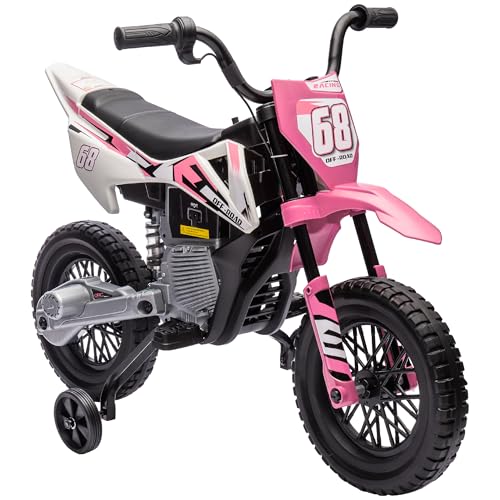
The Qaba dirt bike offers safe, manual throttle control with speeds between 1.5–3.1 mph for a controlled learning experience. It features rear shock absorbers to smooth rides on cement, asphalt, and brick surfaces, and includes training wheels to help kids maintain balance across various terrains. The compact design emphasizes stability and user-friendly handling, making it suitable for toddlers taking their first rides on a dirt-bike-inspired toy.
TOBBI Motorbikes For Kids Electric Dirt Bike

The TOBBI ride-on motorcycle is equipped with a 12V battery, offering a top speed of up to 3 mph and about 50 minutes of play on a full charge. It uses non-slip handlebars to aid steering and includes training wheels to support balance. The durable frame and thick-tread tires provide traction on diverse surfaces, making it appropriate for outdoor use while maintaining a focus on safety for toddlers and younger riders.
Luibas 12V 7Ah Kids Ride On Motorcycle

This Luibas ride-on motorcycle uses a 12V rechargeable battery and provides two speeds in the 1.9–3.1 mph range, suitable for beginners. Two training wheels help stabilize the ride, while non-slip wheels support steady progress on brick, asphalt, or cement surfaces. Realistic features include an extended curved seat and foot pedal, plus built-in horn and music for an engaging driving experience appropriate for young kids.
Everjoy 24V Electric Dirt Bike For Kids
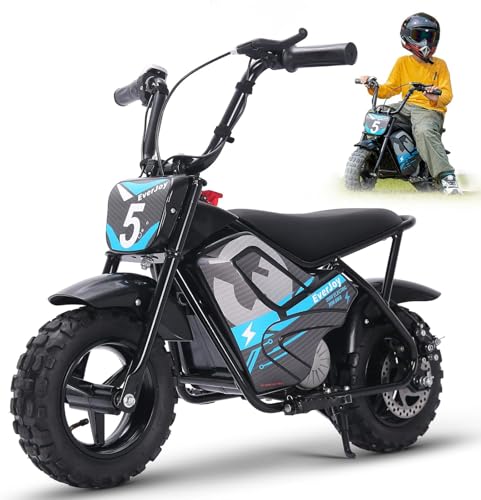
The Everjoy minibike features a 250W motor and a 24V 9Ah battery for longer riding sessions. It offers two-speed modes—Low at about 5 mph with longer runtime and a higher setting around 10 mph for more confident riders. The bike carries UL 2272 and UL 2849 certifications, enhancing safety assurances. A sturdy frame, all-terrain tires, and a robust charging plan contribute to dependable performance for kids aged roughly 3 and up, with up to about 120 minutes of play at the lower speed setting on a full charge.
Buying Guide
When choosing a toddler-friendly electric dirt bike, focus on safety, size, and ease of use. Look for models with low top speeds, stability aids (training wheels), and age-appropriate guidance to help children learn balance and coordination. Battery life and charging time are important for real-world use, as is the weight of the bike—lighter frames are easier for little riders to control. Certifications and durable construction are indicators of long-term reliability and safety.
- Safety and age suitability: Prefer models designed for early riders (ages 3–6 or 3+), with top speeds kept deliberately low and straightforward braking systems.
- Stability features: Training wheels, non-slip handlebars, and decent suspension reduce falls and bumps on various surfaces.
- Power and speed: Batteries (12V vs 24V) and motor power should align with the child’s experience; for toddlers, slower, controllable speeds are best.
- Durability and materials: Aluminum frames or sturdy plastics, along with weather tolerance and easy maintenance, extend product life.
- Battery life and charging: Detachable batteries are convenient for quick swaps; check charging times and run-time expectations.
- Safety certifications: UL or equivalent certifications offer added assurance of safety standards and quality controls.
- Maintenance and warranty: Consider brands offering reasonable warranties and readily available replacement parts.
In practice, the best choices for toddlers emphasize easy handling, gentle acceleration, and reliable support for balance development. If you prefer a longer play window between charges, opt for models with larger battery capacities and efficient power management. For younger riders just learning to steer, a bike with training wheels and a shallow learning curve will typically provide the safest, most enjoyable experience.