Triathletes and time-trial riders chase aero bars that blend comfort, lightweight stiffness, and precise adjustability. The best options balance a low, forward-leaning position with reliable handling, easy installation, and compatibility with common road frames. Whether you’re chasing a personal best on flat sections or climbing into a demanding TT aero posture, choosing the right setup can improve watts and reduce fatigue. Below is a curated list of five top picks that emphasize aerodynamics, comfort, and install ease, followed by a buying guide to help you compare options side-by-side.
Here’s a quick summary of the five choices.
| Product | Brand | Key Feature |
|---|---|---|
| BBB BHB-60 Two-Piece Tri Bars | BBB | J-bend, 350mm reach, EVA padding |
| BBB BHB-59 Aero Bars Arm Rest | BBB | AeroComfort with 35mm lift; EVA padding |
| BBB BHB-52 Two-Piece Tri Bars | BBB | Ergo-bend angle; fits 26/31.8mm bars |
| TRIRIG Wingspan Extender | TRIRIG | Adjustable armrest extension; aircraft-grade aluminum |
| REDSHIFT Quick-Release Clip-On L-Bend | REDSHIFT | Quick-release, road-to-aero switching |
BBB BHB-60 Two-Piece Tri Bars

BBB’s AeroMax BHB-60 is a two-piece aluminum aero bar configured for a streamlined cockpit and straightforward mounting. The J-bend bars support a deep, forward-leaning position, helping reduce frontal area and improve airflow over the rider. At 350mm, the extension provides ample reach for customizable arm pad placement, enabling precise fore-aft alignment to match torso length and riding style. The arm pads are multi-adjustable, allowing tilt and slide adjustments to optimize comfort and aerodynamics. EVA foam padding on the handlebars delivers a cushioned contact surface, reducing pressure points during long rides. This setup is well-suited for road frames and can adapt between training and race configurations without heavy modification.
BBB BHB-59 Aero Bars Arm Rest

BBB BHB-59 Aero Bars Arm Rest provides a two-piece aluminum aero bar with the AeroComfort lift for an elevated, controlled aero position. The 35mm height lift creates space for a more comfortable race posture, helping to reduce upper-body fatigue. Foam padding along the bars, plus foam sleeves around the steerer tubes, cushions contact areas and minimizes road buzz, contributing to steadier steering and improved comfort during long efforts. The two-piece design simplifies mounting on many road frames, enabling quick adjustments to cockpit height and reach, which is useful for riders switching between training and race setups or varying torso lengths through the season.
BBB BHB-52 Two-Piece Tri Bars
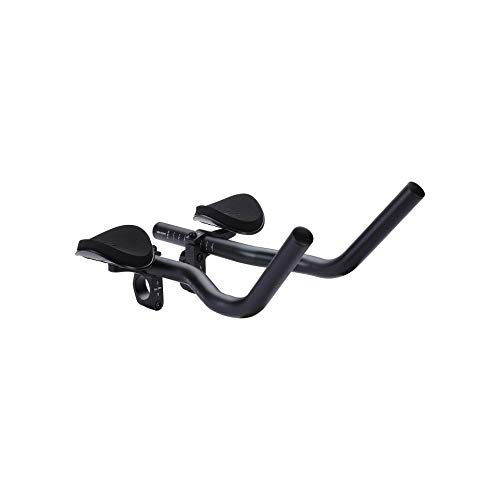
BBB BHB-52 Two-Piece Tri Bars are designed for riders seeking an aggressive aero stance with everyday usability. The two-piece aluminum construction simplifies mounting on road bikes and maintains rigidity through a robust clamping mechanism compatible with 26mm and 31.8mm handlebars. The ergo-bend angle positions forearms forward for a deeper body position, enhancing power transfer while keeping steering responsive. The design minimizes interference with headset geometry and fork clearance, helping maintain stable handling in corners. Padding on contact surfaces adds comfort for longer climbs and tempo efforts, making a practical upgrade from standard handlebars.
TRIRIG Wingspan Triathlon Bar Extender

TRIRIG Wingspan Extenders expand the cockpit by adding a Wingspan Triathlon Bar Extender that integrates with existing aero bars. They incorporate an Armrest Angle Adjustment Plate and reach adjustment brackets to tailor the fit to torso length, arm reach, and riding posture. Crafted from T6-6061 aircraft-grade aluminum, these extenders deliver stiffness and durability without adding significant weight. Compatibility with a broad range of aero bar geometries makes the Wingspan a flexible upgrade for road and triathlon setups, providing longer reach for improved breathing space and power transfer on longer TT segments while preserving elbow stability and control.
REDSHIFT Quick-Release Clip-On L-Bend
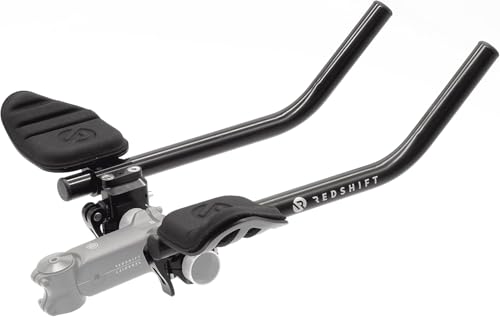
REDSHIFT Quick-Release Clip-On L-Bend Aero Bars provide a versatile upgrade for riders who alternate between road and aero positions. The patented quick-release mechanism allows you to switch between positions during a ride, enabling efficient transitions and better aero control when needed. The clip-on design installs in seconds without tools and detaches just as quickly, ideal for riders who train across varied terrain or use multi-position cockpits. The L-Bend geometry emphasizes a lightweight build while maintaining solid forearm support for climbs, sprints, and sustained aero efforts.
Buying Guide
When choosing tri bike aero bars, consider how you ride, your cockpit geometry, and the kind of aero gain you expect. The right setup balances aerodynamics with comfort, stability, and ease of use. Below are key purchase considerations and how different designs address them.
Types And Use Cases
Two-piece bars (like the BBB BHB-60 and BHB-52) are generally easier to install and adjust on a variety of road bikes. They offer strong stiffness and straightforward fore-aft adjustments that suit riders upgrading from standard bars. Aero extensions and arm-rest systems (like the TRIRIG Wingspan Extender) expand reach and enable highly customized fits, which can be beneficial for riders with longer torsos or those who prefer a more relaxed elbow cradle. Clip-on quick-release options (REDSHIFT L-Bend) excel for riders who switch between road and aero in a single ride, preserving cockpit versatility without permanent modifications.
Fit, Diameter, And Compatibility
Most aero bars clamp to standard road handlebars with common diameters (26mm or 31.8mm). Always check clamp compatibility and ensure the bar width doesn’t interfere with the headset, fork, or internal routing. Arm pad height and reach should align with your torso length and shoulder width to maintain a comfortable, efficient posture. For extensions, verify available clearance around the head tube and compatible mounting points with your current aero system. Padding matters for comfort, particularly on long events, so EVA or soft foam padding can reduce pressure points during sustained efforts.
Adjustability And Positioning
Adjustable arm pads, pad angle, and pad fore-aft positioning help you dial in the precise aerodynamics you want. Some setups offer additional lift (such as the 35mm AeroComfort lift in the BHB-59) to improve breathing room and torso comfort. Longer reach (provided by Wingspan Extenders) can reduce torso compression during extended TT efforts but may require adjustments to neck and shoulder posture. Consider whether you want quick adjustments during training or a fixed position for competition, as this influences whether you choose a quick-release system or a fixed, highly rigid bar.
Materials, Weight, And Durability
Most aero bars use aluminum alloys (for example, 6061-T6) that balance strength and lightness. Aircraft-grade alloys in extenders offer high stiffness with minimal weight, translating to more precise handling and better power transfer. While lighter components can reduce overall cockpit weight, ensure that the design maintains sufficient rigidity under high watts and during hard accelerations. Padding materials should withstand repeated use and maintain comfort across long rides.
Installation, Maintenance, And Upgrades
Two-piece bars generally offer simpler installation and updates, while extenders and arm-rest accessories provide deeper customization. Look for clamping mechanisms that minimize friction with your handlebars and safeguard against slippage. Regular inspection of bolts, padding wear, and alignment will preserve performance. If you anticipate changing bikes or cockpit layouts season to season, a clip-on or adjustable extender system may save time and money by avoiding permanent modifications.
Performance And Comfort Trade-Offs
Higher levels of aero optimization can increase speed but may demand more time to find a comfortable fit. Padding and elbow cradles reduce fatigue and improve control at high watts. If your rides include frequent corners, descents, or rapid accelerations, prioritize a setup with strong stability and precise clamp tension. For triathletes who spend long durations in aero, comfort features like foam padding and pad adjustability are as important as the raw aero gains.
In summary, the best tri bike aero bar choice depends on your riding goals, cockpit geometry, and willingness to fine-tune your position. If you value quick transitions and flexible race-to-training setups, clip-on or winged extenders can be ideal. If you want a straightforward upgrade with robust aerodynamics, two-piece bars with adjustable pads may deliver the best all-around performance. Whatever your pick, ensure compatibility with your bike, confirm clearance with the headset, and test your setup to confirm comfort and stability across the full range of speeds and terrains you expect to encounter.